
Be ready to adventure and enjoy nature
Walking and Trekking : the most ancient exercise and still the best modern exercise.
Mountaineering
Mountaineering is the activity of climbing mountains for
adventure, exploration, sport, or scientific purposes. It involves hiking,
climbing, trekking, and sometimes crossing snow, ice, or glaciers to reach
mountain summits.
Mountaineering requires physical fitness, technical
skills, planning, and knowledge of weather and safety. Famous mountaineering
destinations include Mount Everest, K2, and Matterhorn.
Types of Mountaineering
1. Alpine Mountaineering
Climbing mountains that involve rock, snow, and ice
climbing, usually in alpine regions.
2. Rock Mountaineering
Focused mainly on climbing rocky mountain surfaces using
climbing techniques and equipment.
3. Ice Mountaineering
Climbing frozen waterfalls, glaciers, and icy mountain
slopes with ice axes and crampons.
4. Expedition Mountaineering
Long-duration climbs on very high mountains that require
camps, guides, and extensive preparation.
5. Trekking Peaks Mountaineering
Climbing smaller or less technical mountains through trekking
routes.
6. Ski Mountaineering
Combines mountain climbing with skiing, especially in
snowy regions.
Features of Mountaineering
·
Involves climbing
mountains and traveling through difficult terrain
·
Requires physical
endurance, courage, and technical skills
·
Uses specialized
equipment such as ropes, helmets, crampons, tents, and ice axes
·
Often performed in
extreme weather and high-altitude conditions
·
Demands route
planning, navigation, and survival knowledge
·
Encourages
teamwork, leadership, and discipline
·
Combines
adventure, exploration, and outdoor recreation
Benefits of Mountaineering
Physical Benefits
·
Improves stamina,
strength, and endurance
·
Enhances balance,
flexibility, and cardiovascular fitness
·
Develops survival
and outdoor skills
Mental Benefits
·
Builds confidence
and mental toughness
·
Improves
concentration and decision-making abilities
·
Reduces stress and
increases emotional resilience
Social Benefits
·
Promotes teamwork,
trust, and cooperation
·
Encourages
leadership and communication skills
Environmental and Recreational Benefits
·
Helps people
connect with nature and mountain environments
·
Encourages
appreciation for wildlife and conservation
·
Provides
adventure, excitement, and personal achievement
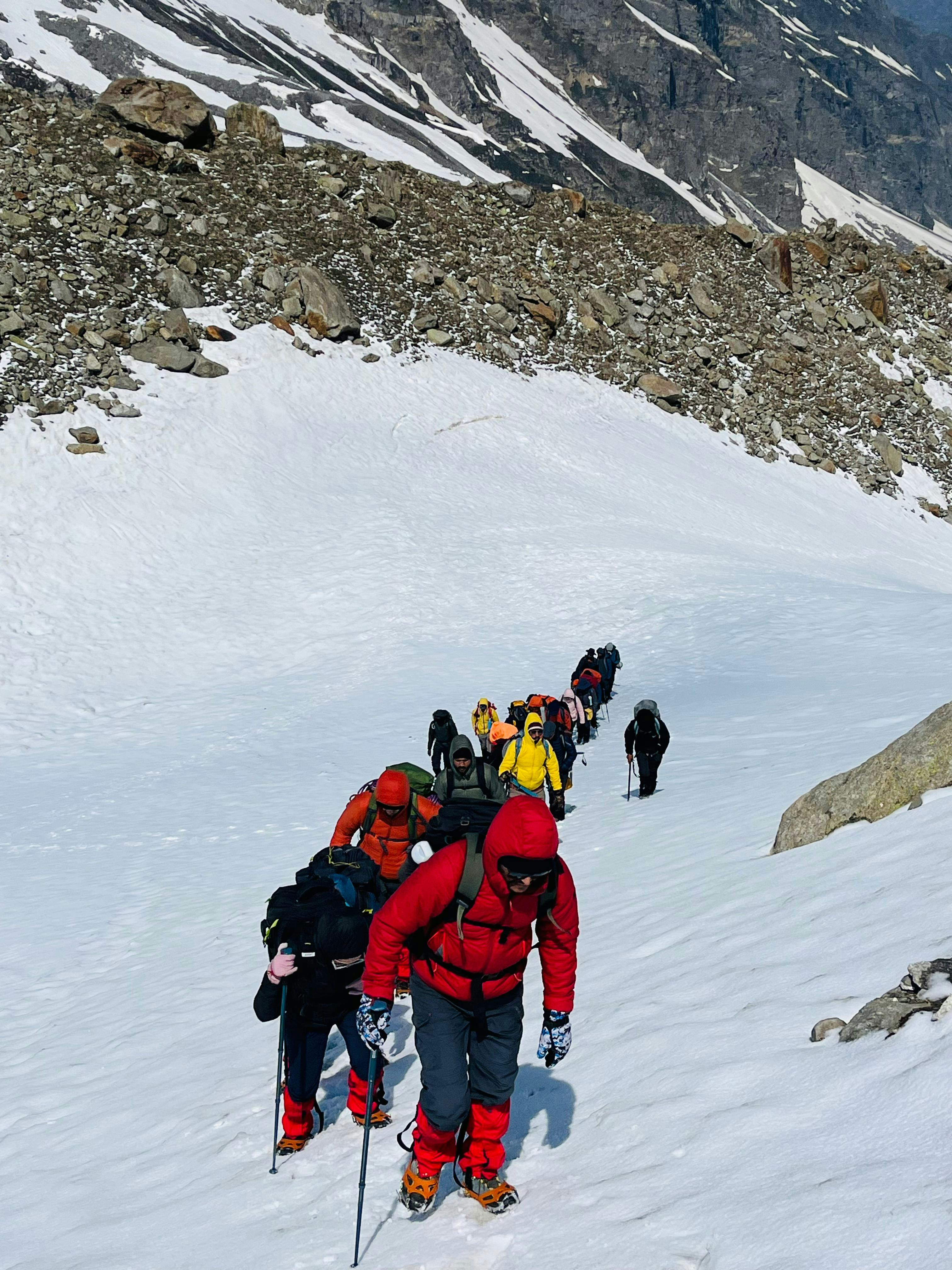

Walking and Trekking : the most ancient exercise and still the best modern exercise.