
Be ready to adventure and enjoy nature
Walking and Trekking : the most ancient exercise and still the best modern exercise.
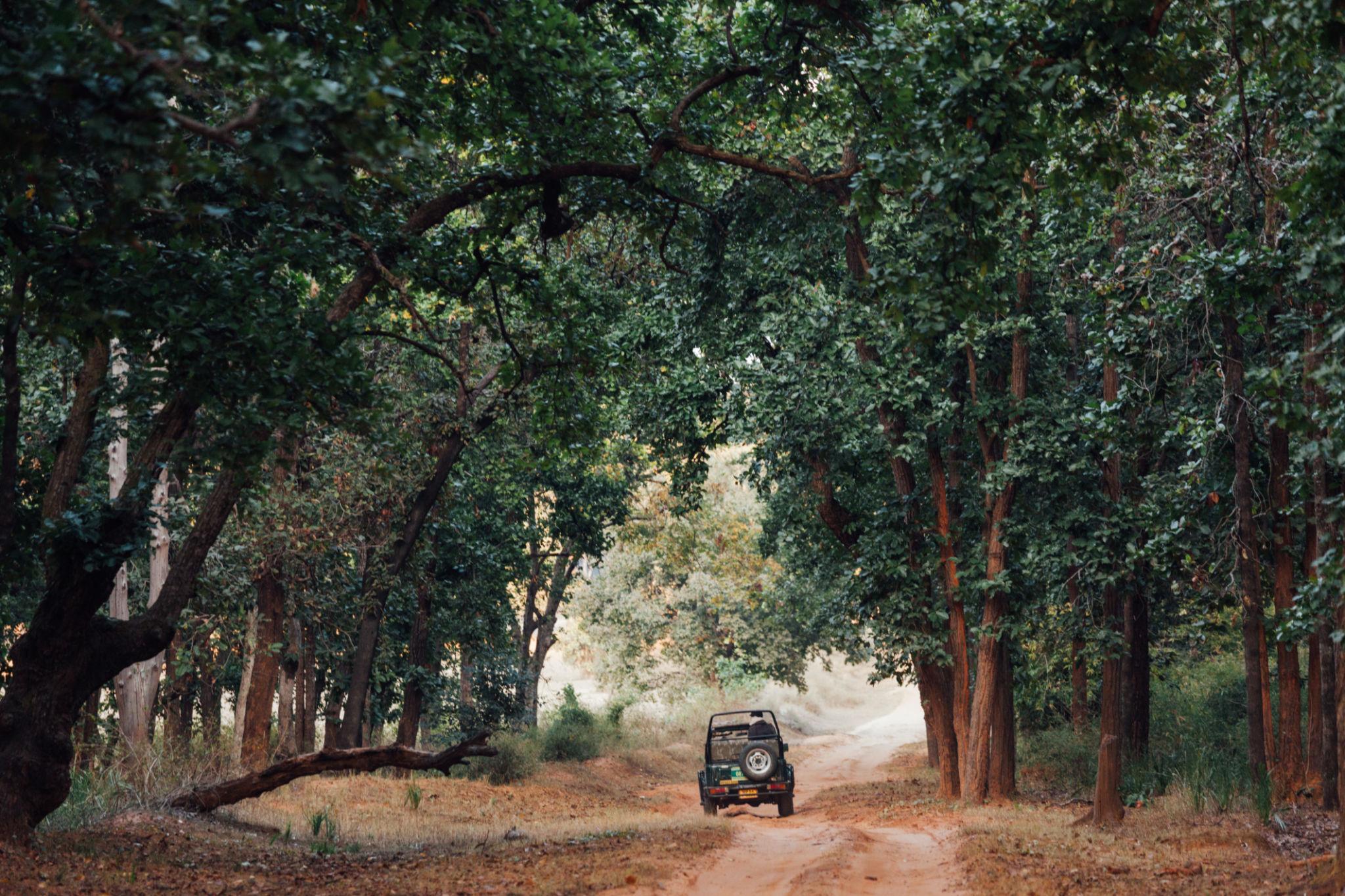
Forest Safari
A forest safari is an
adventure and wildlife activity in which people travel through forests,
national parks, or wildlife sanctuaries to observe animals, birds, and natural
scenery in their natural habitat. Forest safaris are usually conducted with
trained guides in vehicles, on foot, or sometimes on elephants or boats.
The main purpose of a forest
safari is wildlife observation, nature exploration, adventure, photography, and
environmental education.
Types of Forest Safari
1. Jeep Safari
The most common type of safari where visitors travel through forests in
open or closed jeeps with guides.
2. Walking Safari
Visitors explore the forest on foot under the supervision of trained guides
and forest officials.
3. Elephant Safari
Tourists ride elephants to move through dense forest areas and observe
wildlife closely.
4. Boat Safari
Safari conducted on rivers or lakes inside forest areas to observe aquatic
animals and birds.
5. Canter Safari
A group safari using large open vehicles, suitable for many visitors
together.
6. Night Safari
Conducted after sunset to observe nocturnal animals and experience the
forest at night.
Features of Forest Safari
Benefits of Forest Safari
Educational Benefits
Physical Benefits
Mental Benefits
Social Benefits
Environmental Benefits
Famous Forest Safari
Destinations in India

Walking and Trekking : the most ancient exercise and still the best modern exercise.